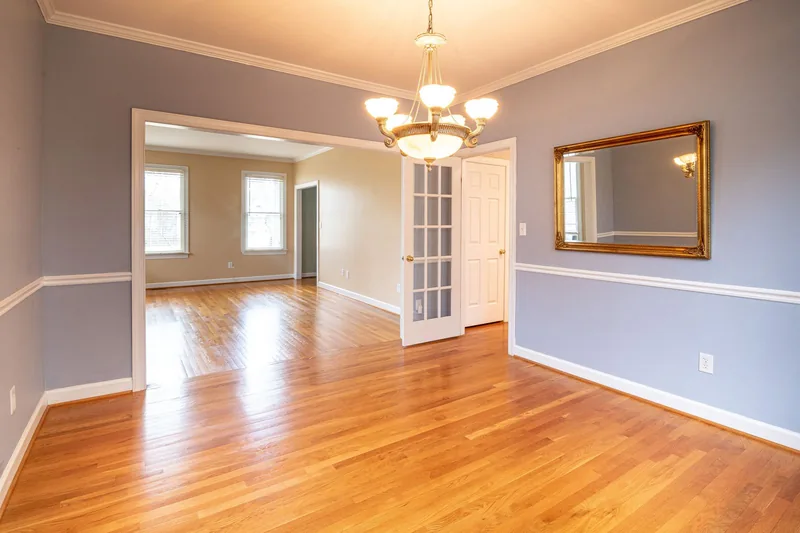
Home and Apartment Biohazard Cleanup
Houses and apartments, including condos and high-rise units, can receive sewage cleanup plus cleaning after death, crime, blood or hoarding.
Learn moreBiohazard cleanup in Potwin covers crime scenes, unattended deaths, hoarding, blood and sewage, with crews in unmarked vehicles.
Local population patterns, housing and site access may affect how containment and cleanup are planned.
With renters in 9.5% of local homes, owner occupied properties form most of the housing context for cleanup planning.
The 1956 median build year matters because fluids can travel through seams in older flooring and reach the subfloor.
With 6.6% of seniors living alone, private cleanup communication may need to include a relative who lives somewhere else.
Single-family homes make up 96.2% of housing in Potwin, so cleanup often centers on one household and its private living areas.
Biohazard cleanup is the safe removal, disinfection and disposal of blood, bodily fluids, tissue and other infectious or hazardous materials after a death, a crime, an accident, a hoarding situation or a sewage backup.
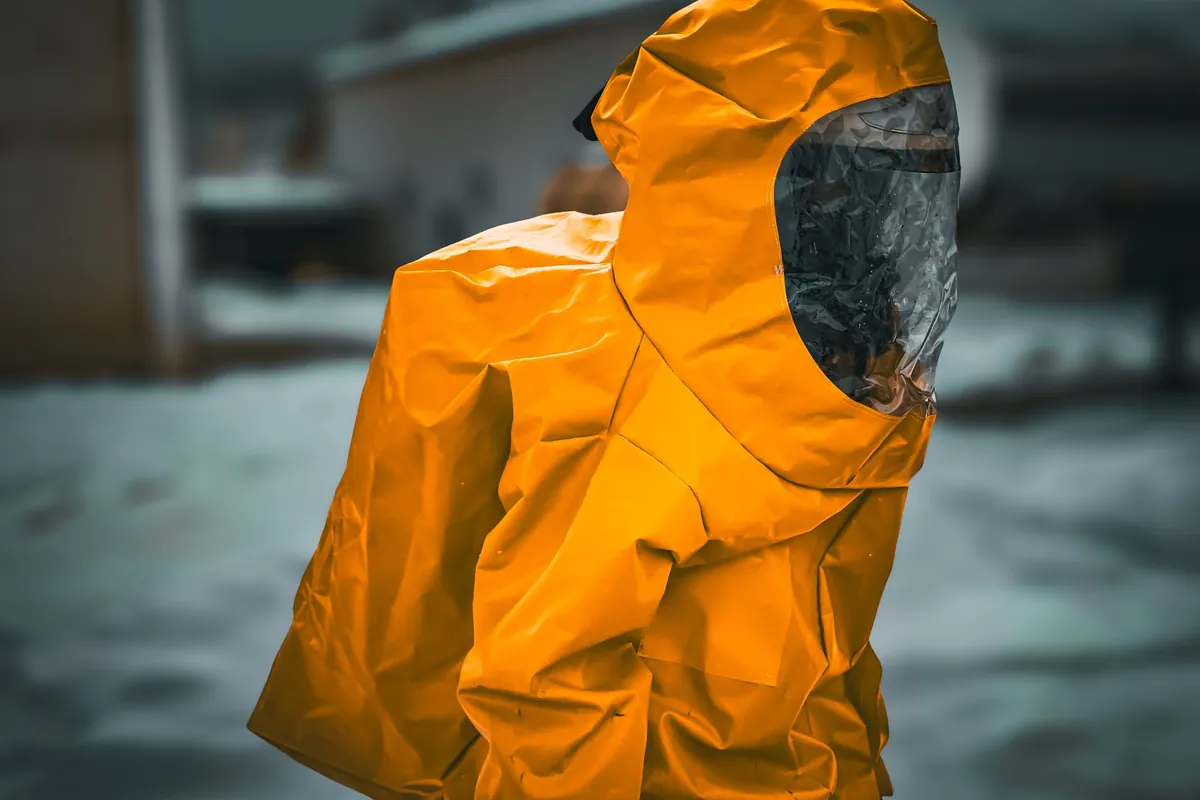
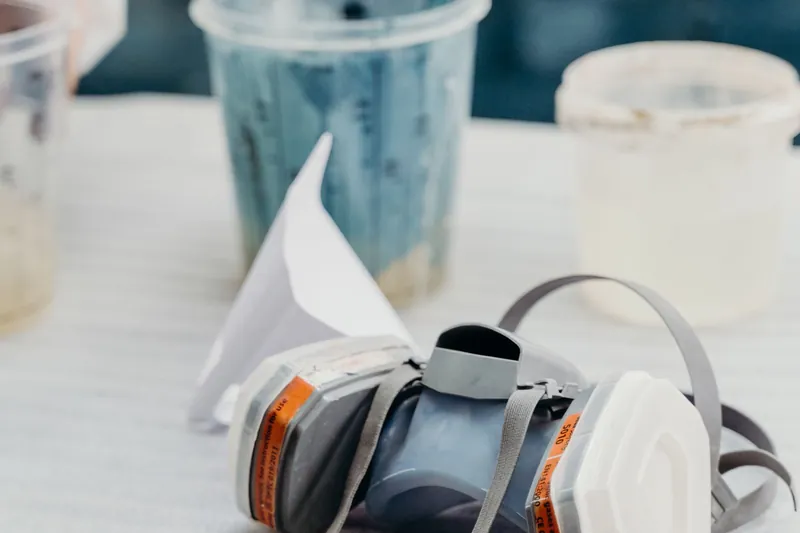
Other names include biohazard remediation, bio hazard cleaning, bio cleanup and trauma cleanup. Professional biohazard cleanup is more involved than deep cleaning. Technicians use personal protective equipment, locate every contaminated place, remove porous material that disinfection cannot save and treat affected areas until each reaches a livable condition.
Biohazard removal services in Potwin reach the surrounding areas as well, with emergency response for crime scenes and other traumatic events. Crime scene cleaning, scene cleaning after an unattended death, hazardous waste removal and fentanyl cleanup all count as specialized cleaning. Crime scene cleaners work quietly to restore safety and offer respectful, compassionate service at a hard time.
The health hazards from biohazards are real. What is visible usually represents only part of the contamination.
Decomposition creates bacteria, gases and fluids that enter floors, then travel along the ventilation system into nearby rooms.
Blood can support hepatitis C, HIV and hepatitis B. The CDC reports that hepatitis B can remain on surfaces for at least seven days.
Although bleach and sprays may clean on top, absorbed fluids remain in drywall, subfloor, carpet and its pad. Contamination left behind causes bacteria and odors to return, so decontamination services take out the source.
Within 24 to 48 hours, wet materials may begin growing mold. Raw sewage carries salmonella, hepatitis A and E. coli.
Houses and apartments, including condos and high-rise units, can receive sewage cleanup plus cleaning after death, crime, blood or hoarding.
Learn more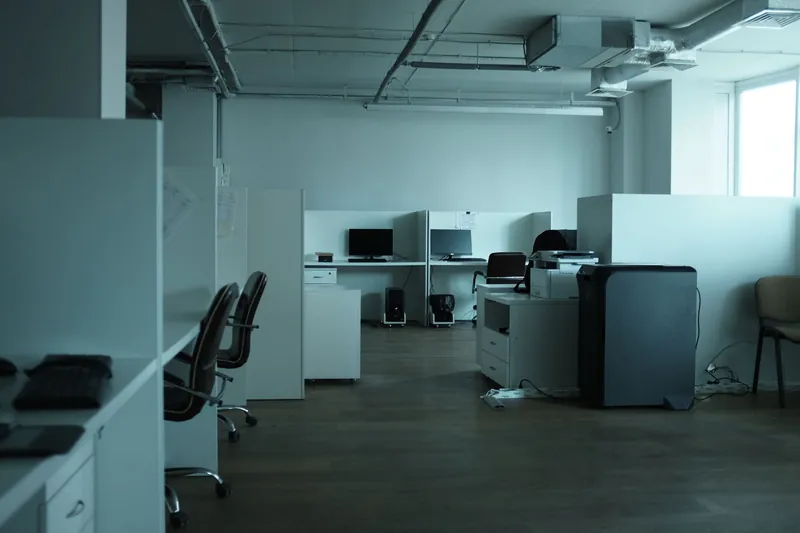
Commercial properties receive commercial biohazard cleanup for industrial accidents, exposures, break-ins and injuries at times that work with your schedule.
Learn more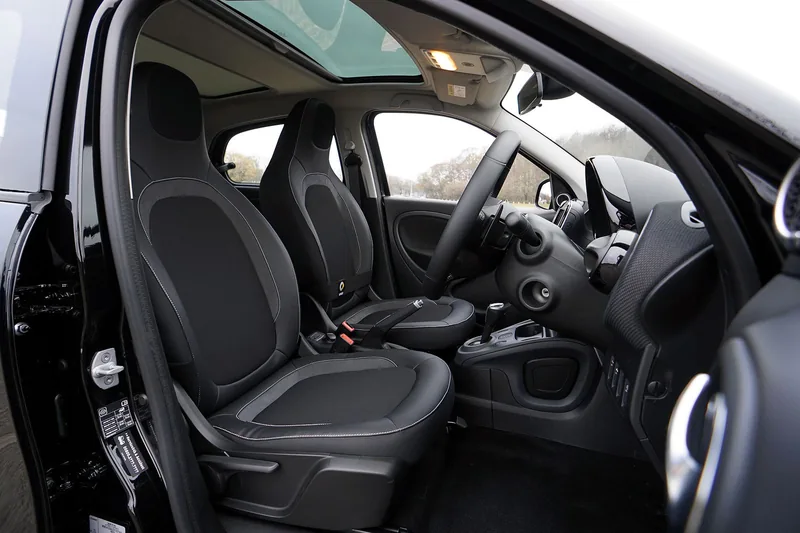
Vehicle biohazard cleanup treats seats, carpet and vents affected by bodily fluids, blood or odors.
Learn more
Cleanup prepares units to be rented again, with records for owners and insurers.
Learn moreChoose the cleanup page suited to your situation. If the right service is unclear, you can call for guidance.
This is a one-time experience for most people. Your health, claim and final cleanup cost are protected by the first actions you take.
Call (888) 351-0904The biohazard cleanup process follows the same safe order for every job, from the first call to the final inspection.
Share what happened. After technicians photograph and inspect the scene, they agree on the scope with you.
Technicians enclose the affected area in plastic so other parts of the property stay separated.
After infectious materials soak into carpet, pad, drywall or similar porous items, the affected pieces are removed and sealed for medical waste, so no affected material is left behind.
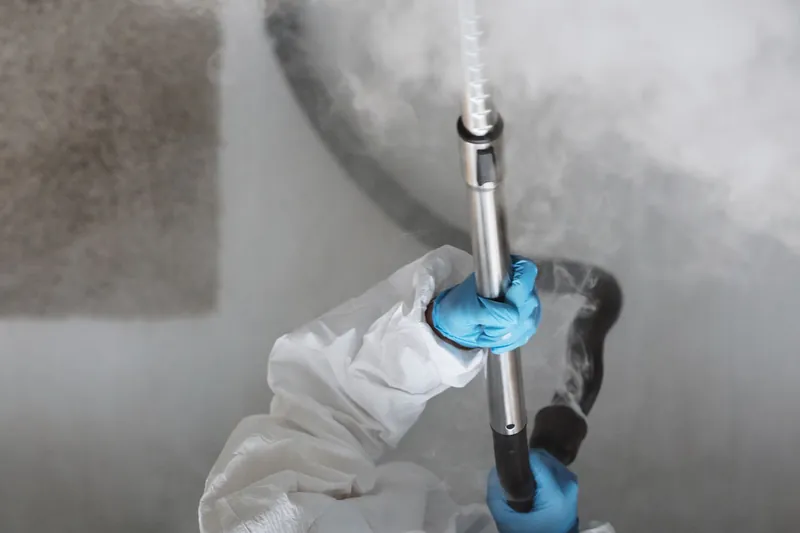
Hospital-grade disinfectant registered by the EPA is applied after all surfaces are cleaned.
The odor source is treated using ozone, hydroxyl or air scrubbers, and the vents are also examined.
Tracking paperwork follows sealed waste to a permitted facility where medical waste is treated.
The space is inspected and, where appropriate, ATP tested to confirm a livable condition, and documentation and photos are prepared for your claim.
Removed flooring or drywall can be rebuilt by your contractor or your insurer's vendor.
Published cost guides put most residential biohazard cleanup jobs between $1,800 and $8,000. A small blood cleanup may fall below $1,000, while extensive sewage, decomposition or hoarding work may exceed $20,000. Your actual cost is established after the on-site assessment.
Yes, often. Homeowners and renters insurance commonly covers biohazard cleanup after a sudden event such as a death, a crime or a sewage backup, minus your deductible.
Victims of violent crime can ask the Kansas Crime Victims Compensation Board, part of the Attorney General's office, about crime scene cleanup. State law lists cleanup as an allowance expense under the compensation program. Insurance is usually checked first.
The property manager or owner commonly coordinates and funds cleanup for a rented unit or common area.
The estate can often cover death cleanup expenses. This is generally managed by the executor or a family member.
Coverage usually applies to sudden, accidental events. Hoarding and long-term neglect usually are not. Check with the insurer prior to starting work.
Call any hour. A cleanup specialist can explain the next steps for your property.
Discreet biohazard cleanup is possible. Unmarked vehicles and quiet work help crews keep the situation confidential from neighbors and building personnel.
A funeral home or the medical examiner or coroner takes the body away. Once the body is removed, the family or owner must clean the property; a biohazard cleanup company is the choice for most.
Many renters and homeowners policies pay for biohazard cleanup after a sudden incident, less the deductible. Coverage commonly excludes hoarding and neglect over time.
A typical job requires one to three days at the site. Several days to two weeks may be needed for decomposition, major scenes or hoarding cleanouts.
Some remain viable for quite a while. Dried blood should be considered infectious. The CDC states that hepatitis B can remain viable for at least seven days on surfaces.
Your call is answered 24 hours a day, including weekends and holidays.